I worked on a wearable EMG platform that measured muscle activity during walking, running, and cycling. We integrated textile electrodes, multichannel electronics, inertial sensing, and embedded algorithms into a fitted thigh band.
The device brought muscle electrical activity and physical movement into the same measurement system. My work covered acquisition, calibration, signal processing, and the use of those measurements to estimate contraction timing, intensity, and activity.
Prototype development
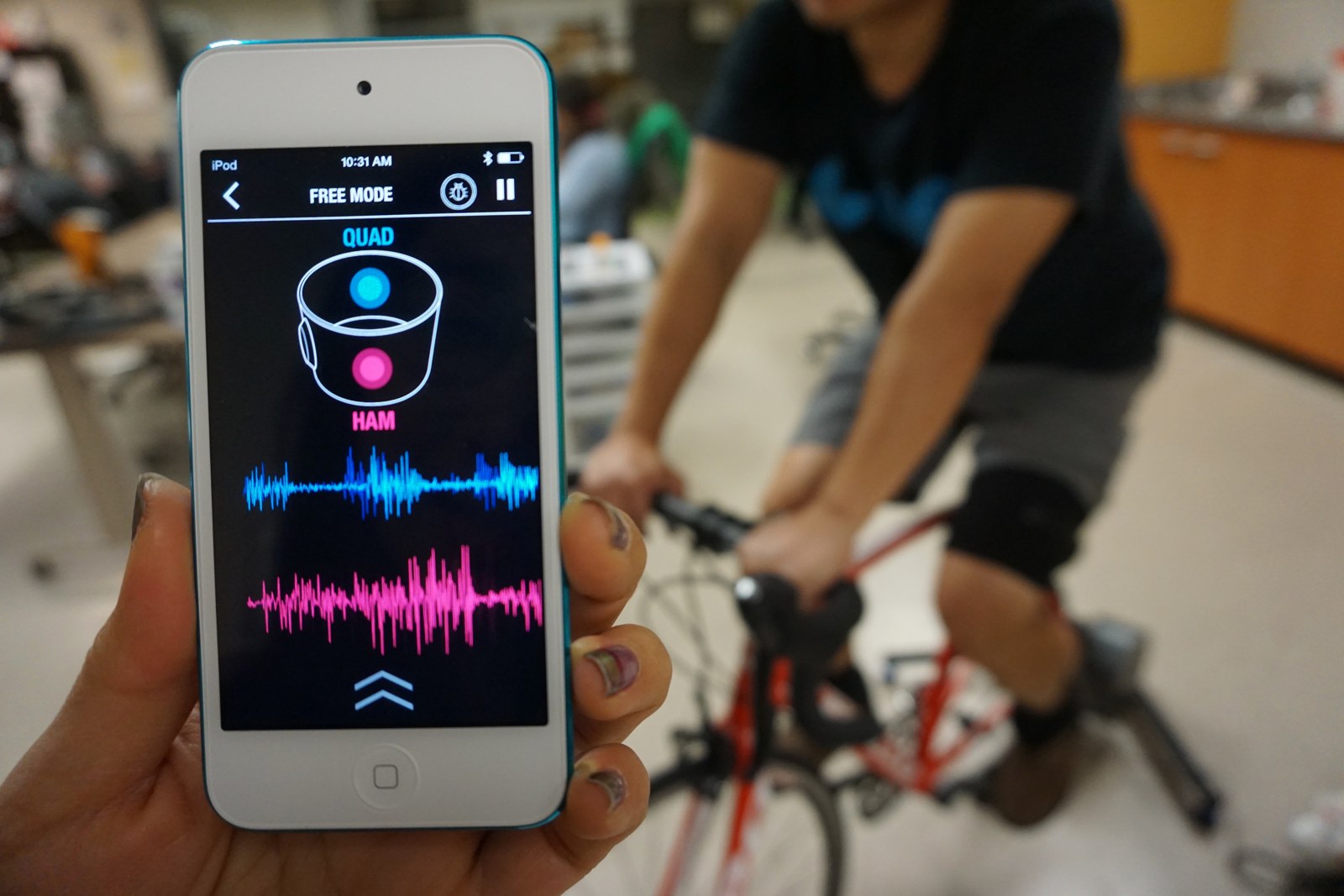
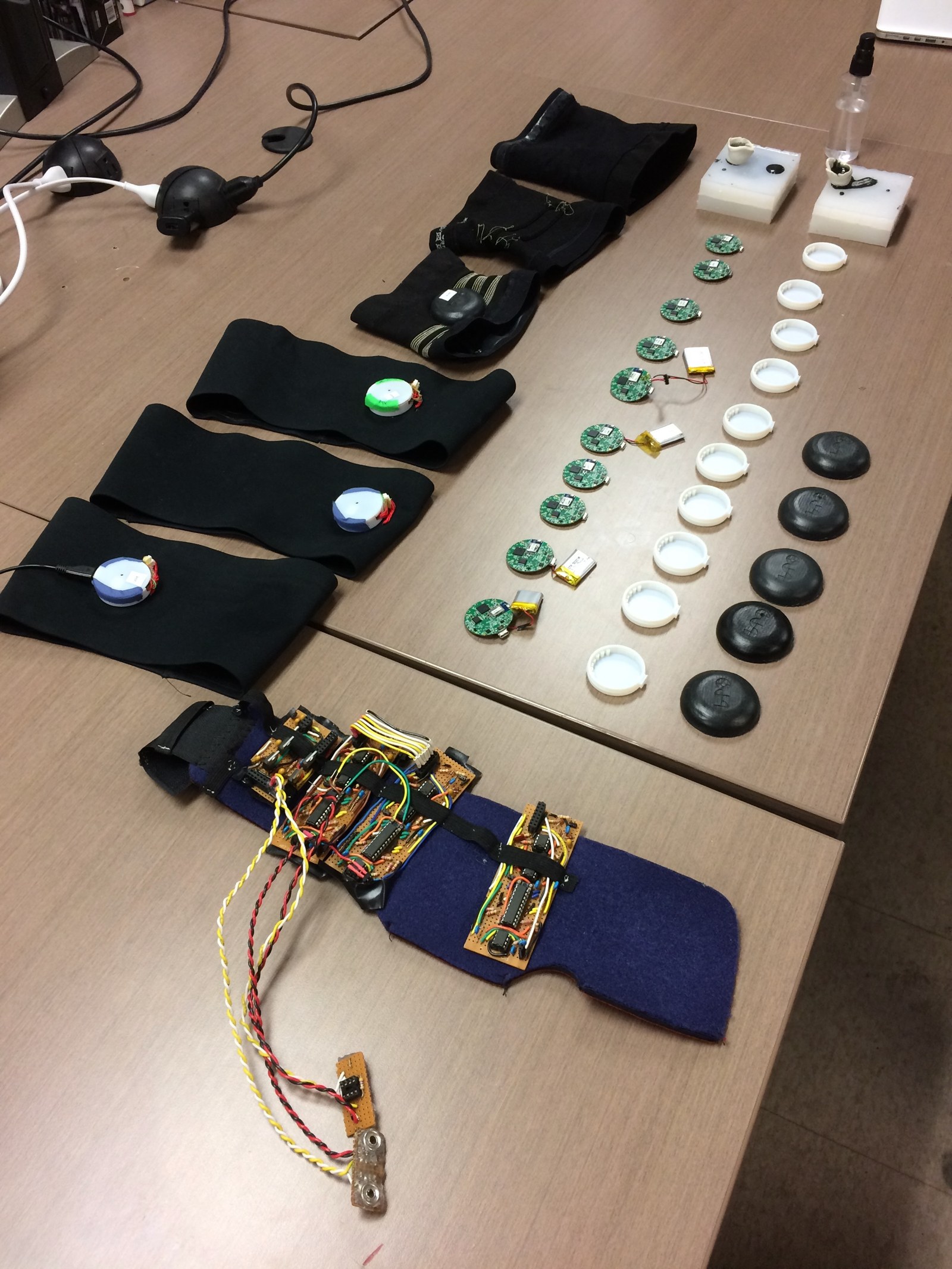
These prototypes bring together the textile interface, acquisition electronics, enclosure, and mobile display. Select a photograph to view it at a larger size.
The system in use
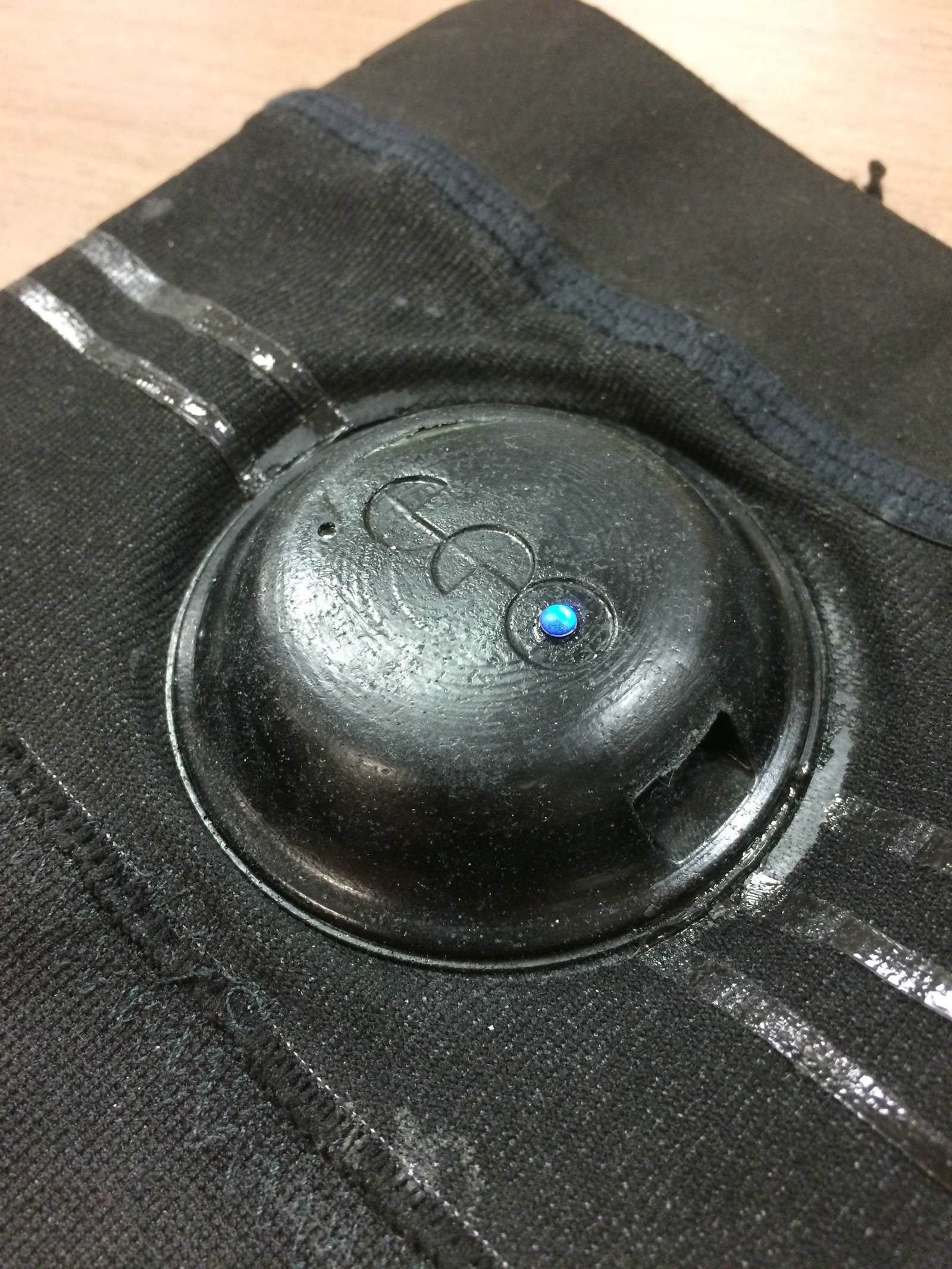
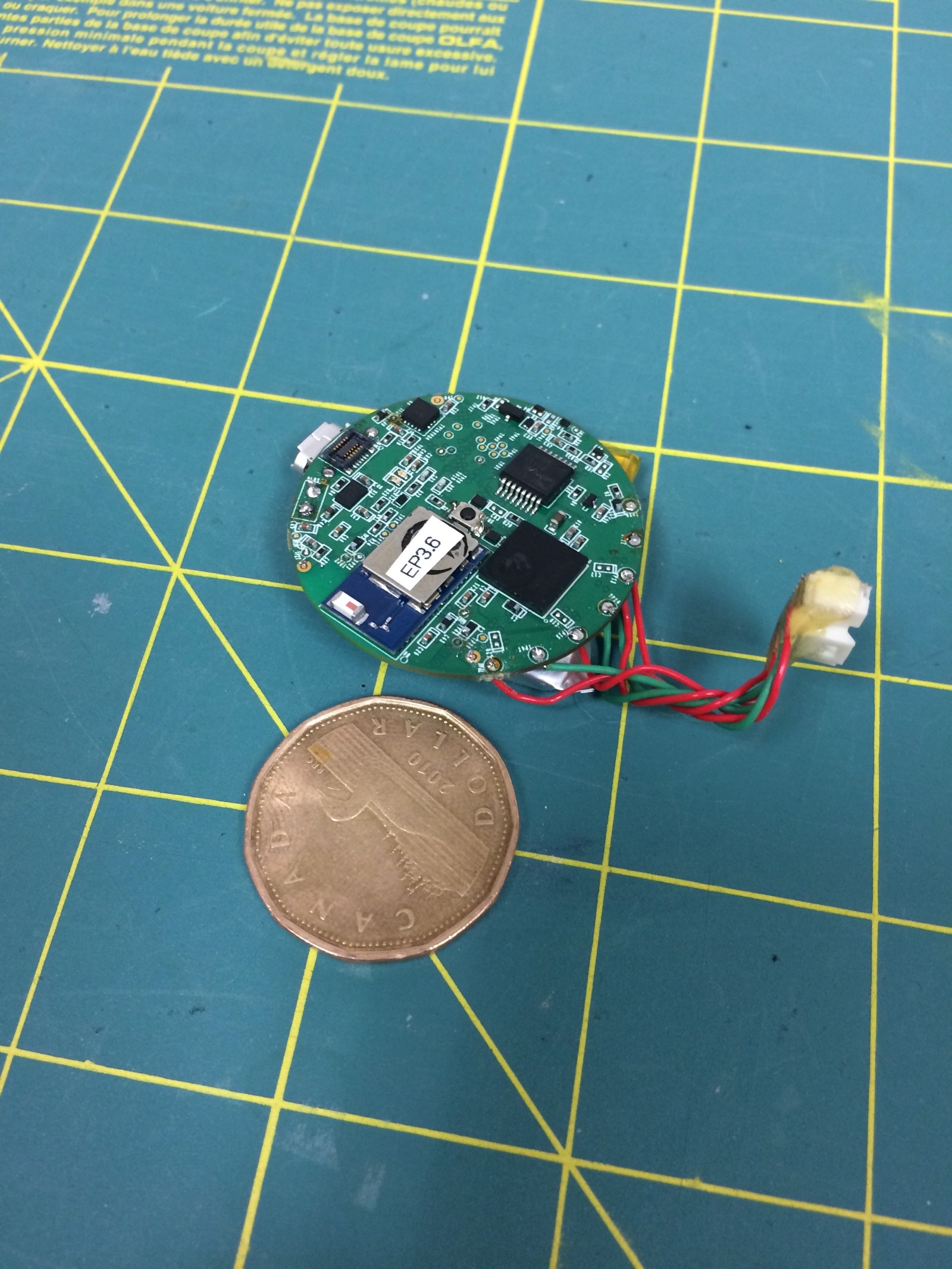
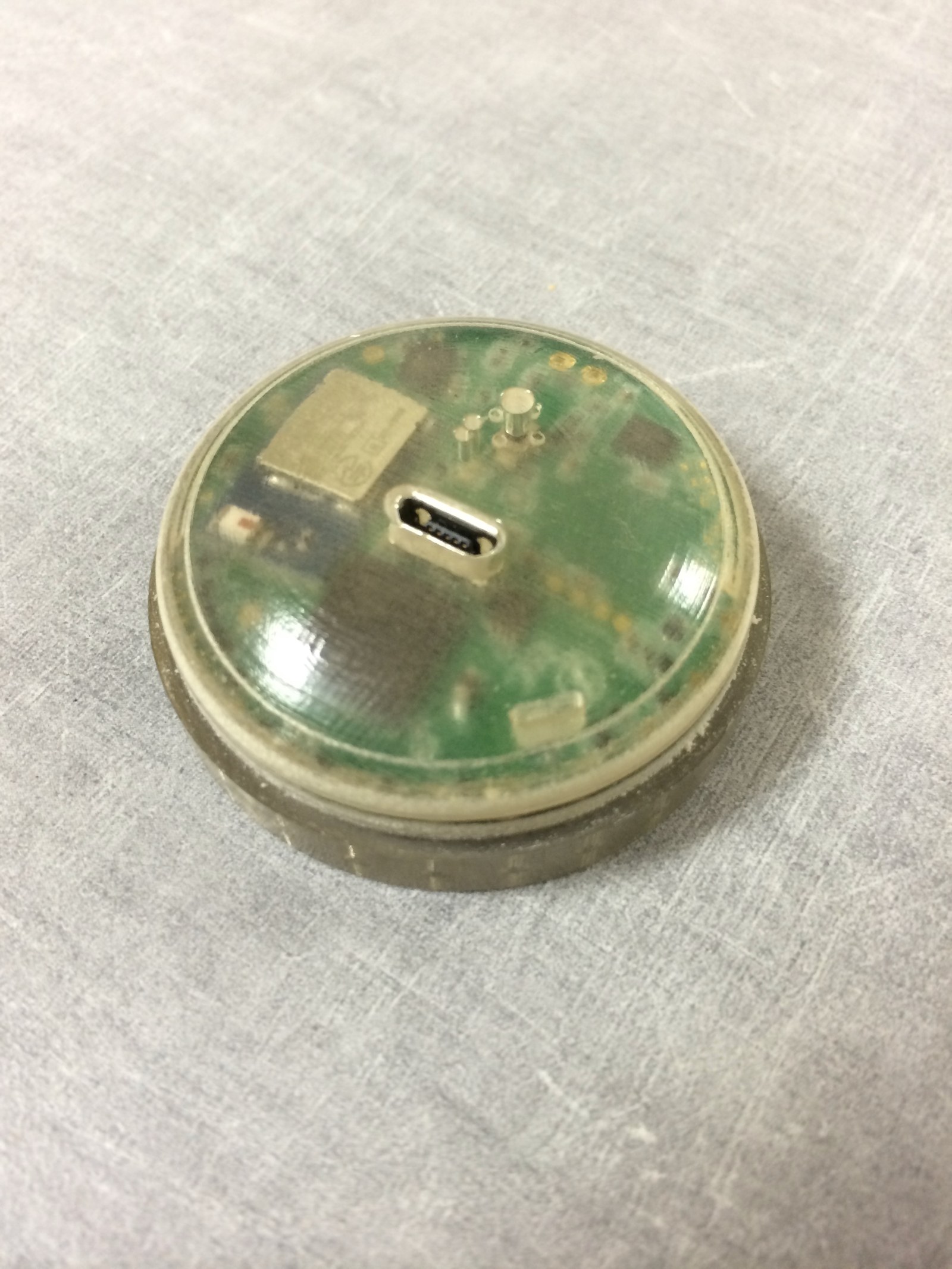
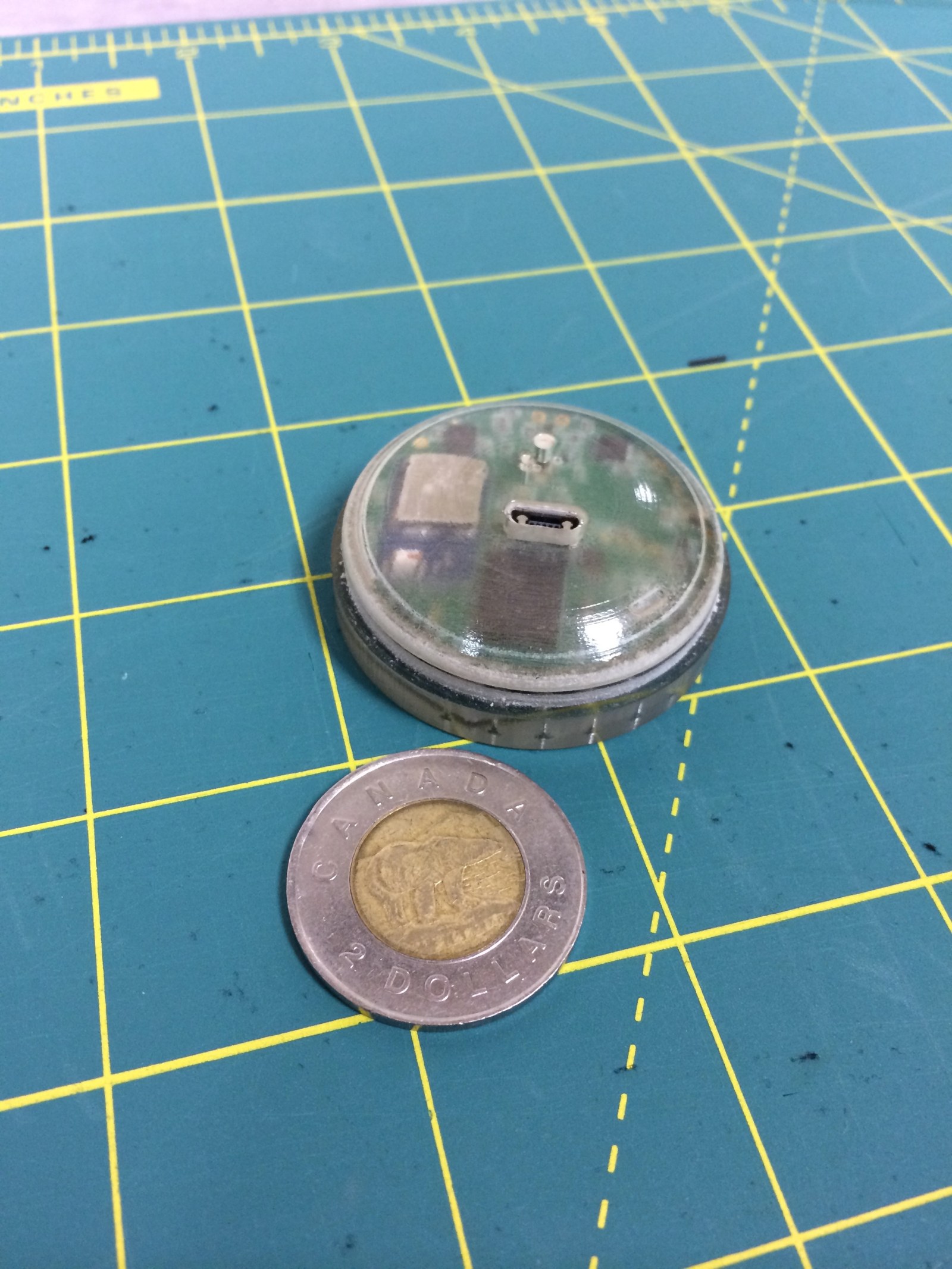
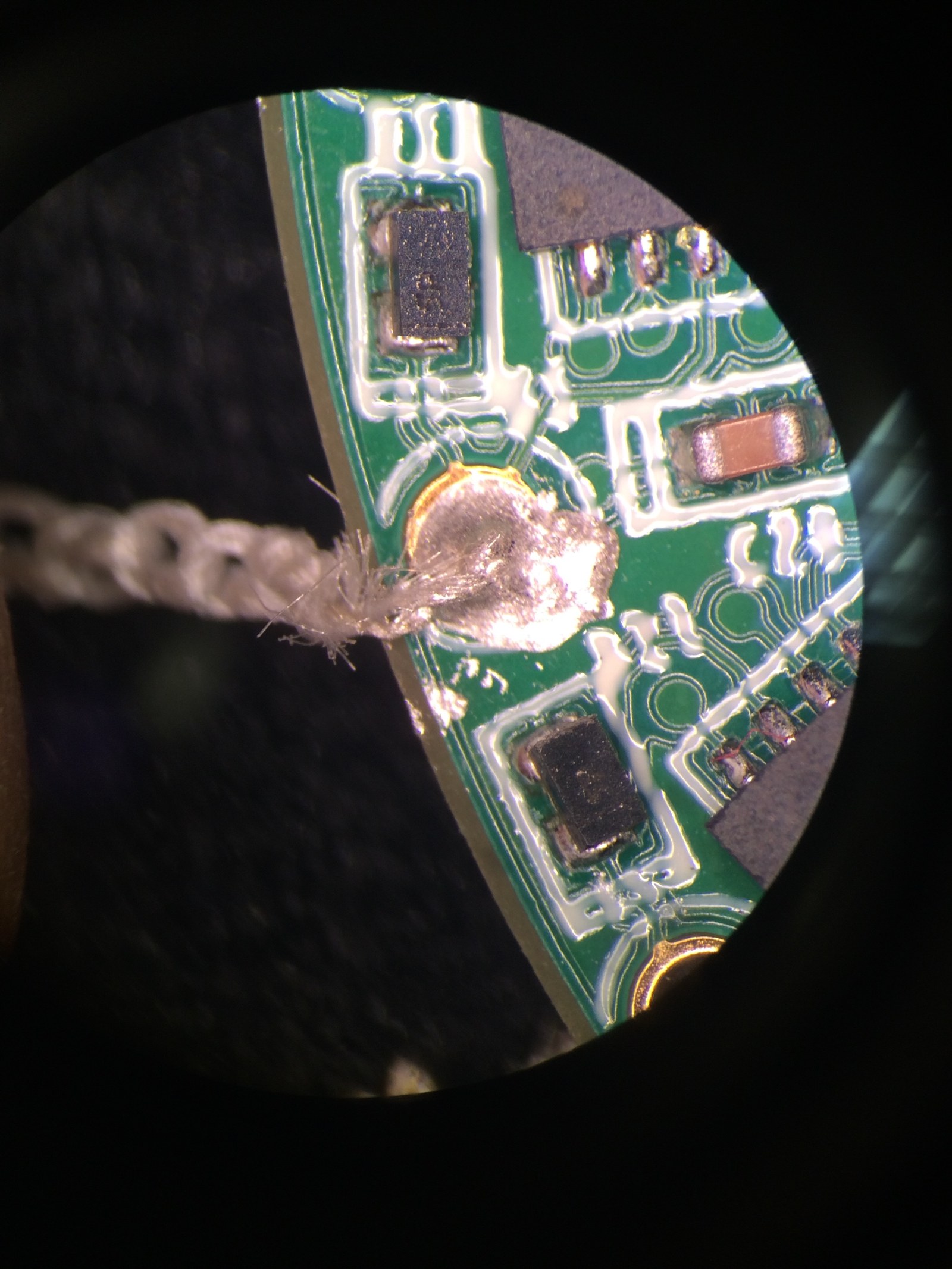
Compact electronics and packaging
Textile and electrical interfaces
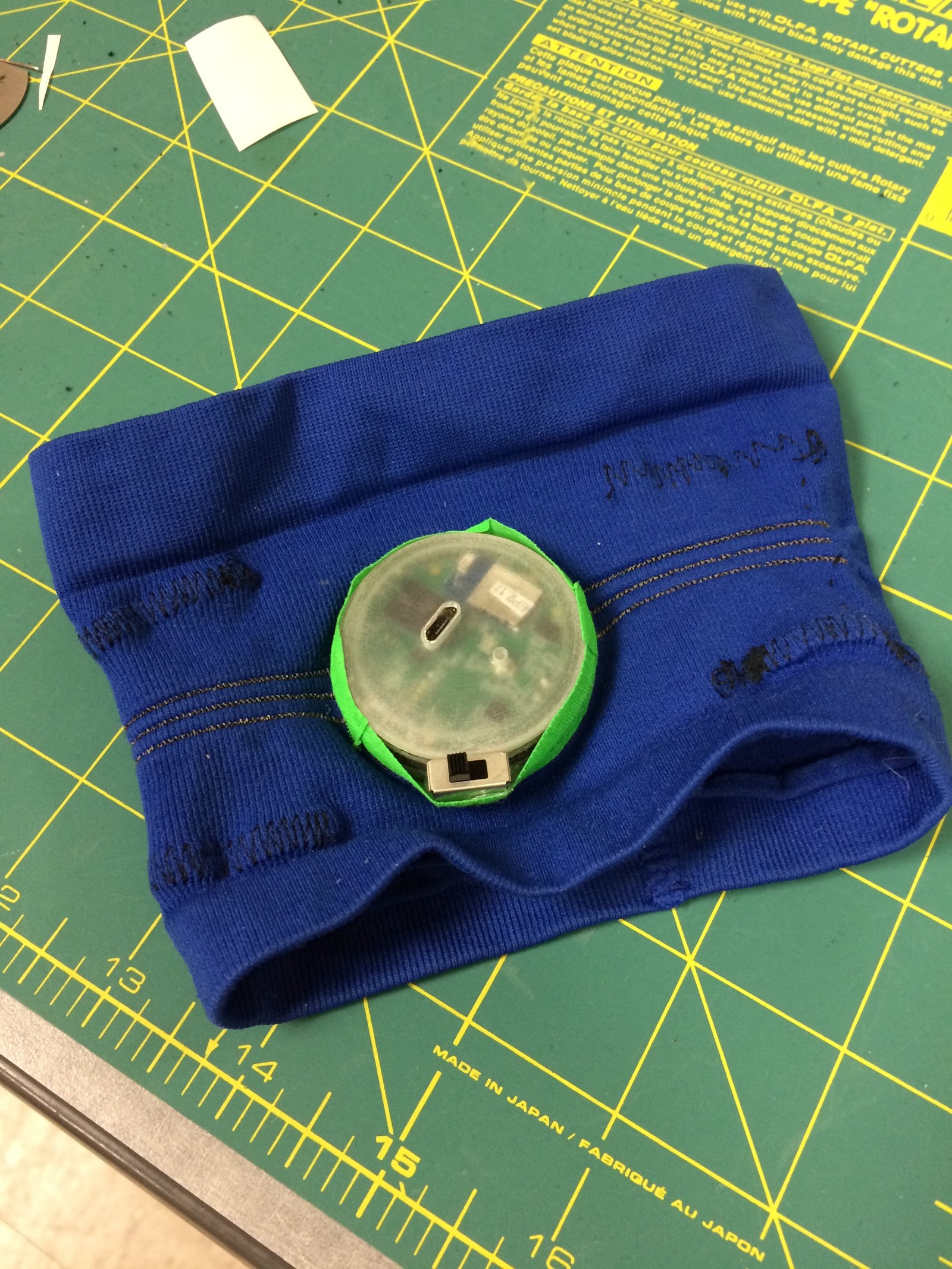
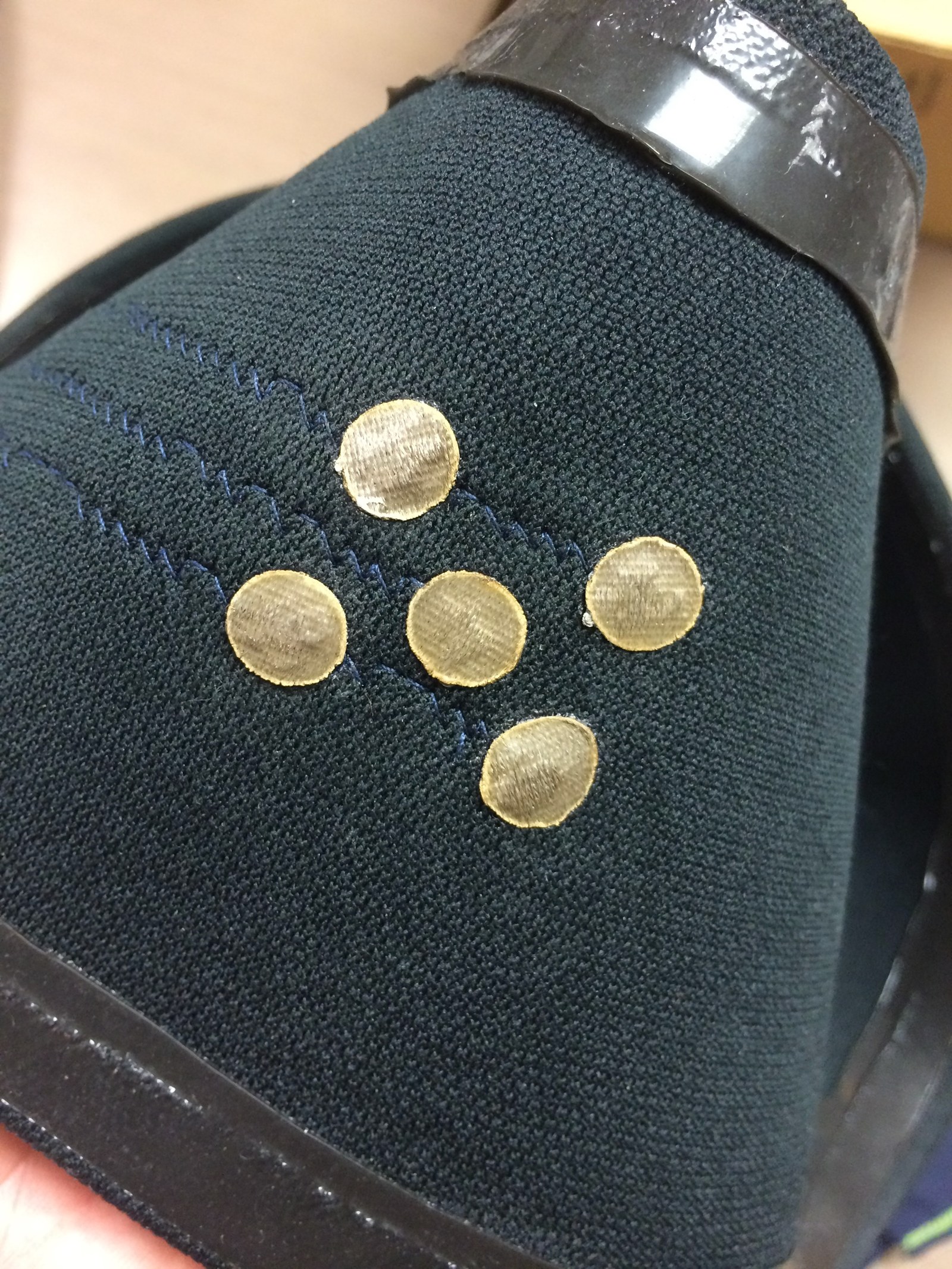
Electrodes integrated into a wearable band
The sensing electrodes and conductive connections were built into the textile, with a removable electronics module attached to the band. This arrangement kept the sensing contacts close to the muscles while making the electronics a compact, self-contained assembly.
The garment was part of the electrical design. Fit and pressure affected the electrode contact, and movement and perspiration changed the interface during exercise. We therefore studied the electrode–skin behavior alongside the analog front end and the algorithms that interpreted its output.
Electronics for simultaneous muscle and motion sensing
The system combined EMG acquisition, a three-axis accelerometer, local flash storage, and Bluetooth communication. The later hardware design combined a 24-bit EMG front end operating at 8 kHz, 16-bit inertial measurements at 125 Hz, a 120 MHz Cortex-M4 processor, and 4 GB of flash on a 36 mm circular board.
High-rate biopotential acquisition and lower-rate motion sensing served different purposes. The EMG preserved contraction waveforms and spectral content, while acceleration supplied the phase and type of movement. Embedded processing converted those streams into compact results for the phone, and local storage supported longer recordings for analysis.
Real-time interpretation
We developed a processing sequence that filtered EMG, estimated an amplitude envelope, segmented individual contractions, and calculated measurements within those intervals. The spectral branch used overlapping Hamming-windowed segments to estimate the distribution of signal power and its mean frequency.
Movement recognition supplied another layer of context. A thigh-mounted accelerometer identified walking, running, and cycling, while the EMG described what the muscles were doing during those activities. Relating the two required attention to the delay introduced by each filter and segmentation stage.
The useful result was a system in which electrode contact, analog acquisition, temporal interpretation, and embedded computation could be studied together. That work led to four issued US patents in physiological sensing and activity analysis.