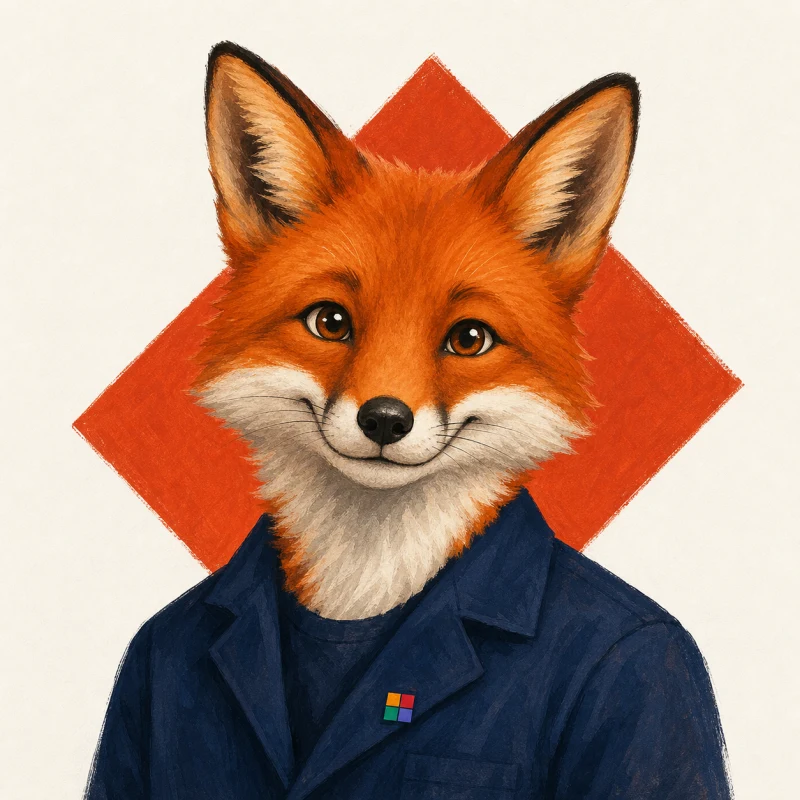
 Illustrated portrait
MASc researcher
Adrian Sibiga
Analog front ends for MALTA-2 and MALTA-3 monolithic active-pixel sensors.
Meet Adrian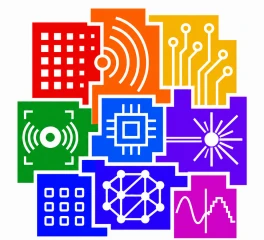

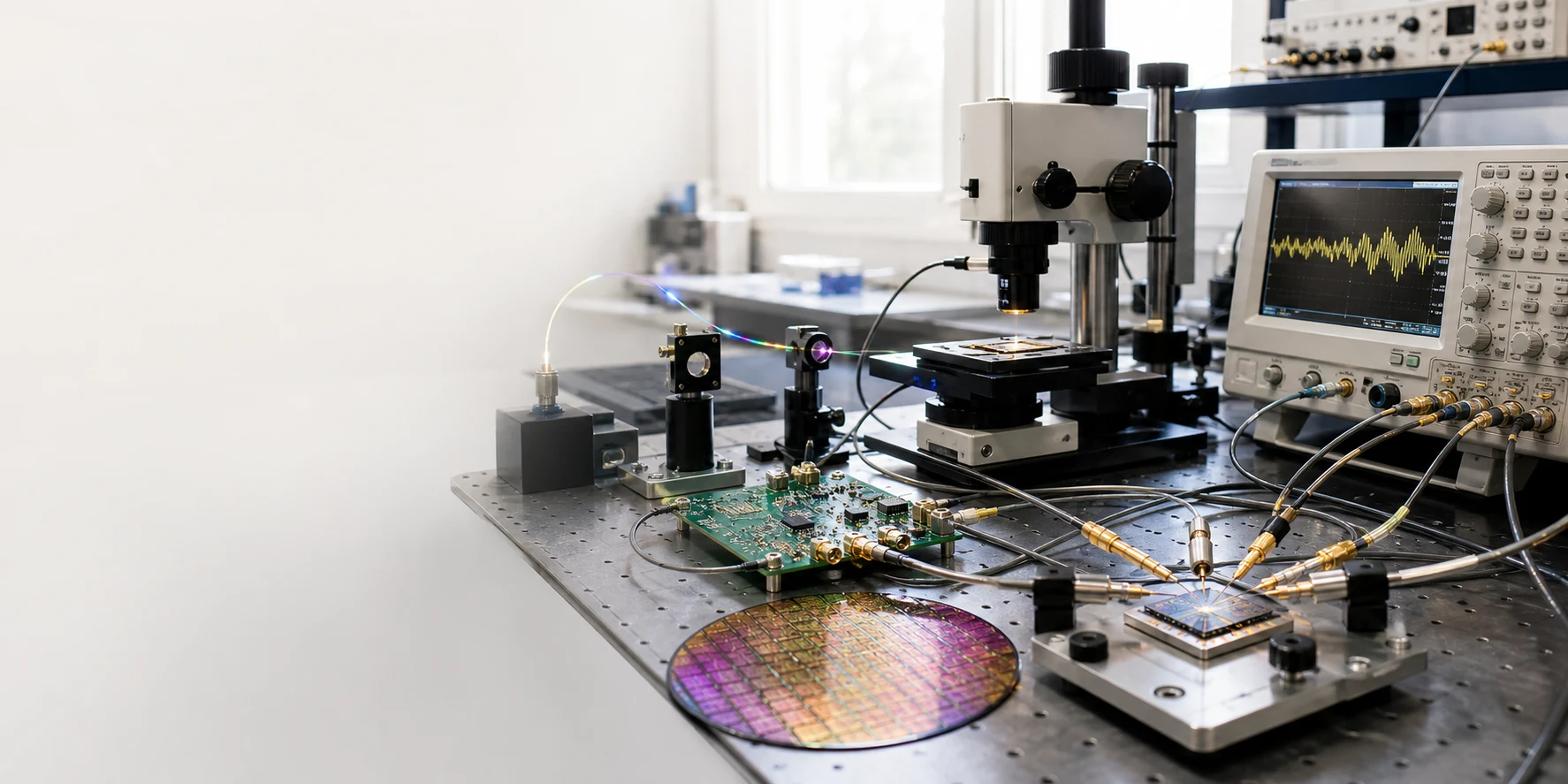
We connect physical phenomena, sensing, circuits, conversion, hardware architecture, and intelligent computation—then make the whole system observable and adaptive.
From photon to bit to decision.
About
MOSAIC stands for Microelectronics, Optoelectronics, Sensing, and Adaptive Intelligent Circuits. The first three terms identify the group’s technological domains; the final three describe the unifying direction from physical interfaces toward intelligent hardware behaviour.
Microelectronics anchors work in silicon, mixed-signal circuits, data conversion, FPGA and ASIC realization. Optoelectronics includes photonic devices, optical interconnect, microrings, and light–matter interfaces. Sensing includes electronic, optical, event-based, radiation-aware, and multimodal front ends.
Adaptive Intelligent Circuits extends beyond conventional AI. It includes hardware that measures its own behaviour, corrects nonidealities, learns from changing conditions, reallocates resources, or performs inference close to the physical interface.
The ordinary meaning of mosaic also describes the group: distinct technologies, disciplines, methods, and researchers retain their identities while contributing to a coherent physical-to-intelligent hardware stack. Across these areas, the recurring method is to model the physical structure, measure departures from the model, correct them in hardware, observe whether the correction remains valid, and adapt when conditions change.
The nine-tile logo represents sensing, propagation, circuits, observation, silicon realization, photonics, architectures, intelligence, and conversion. Its spectrum of colours refers to optics and Newton’s ROYGBIV spectrum, inclusion and belonging, and the rainbow as a symbol of promise and continuity.
Meet group director Leonard MacEachernPeople
Twelve current and confirmed incoming graduate students work across detector physics, analog circuits, data conversion, photonics, FPGA and ASIC hardware, neuromorphic systems, and signal intelligence.
Illustrated portrait
MASc researcher
Analog front ends for MALTA-2 and MALTA-3 monolithic active-pixel sensors.
Meet Adrian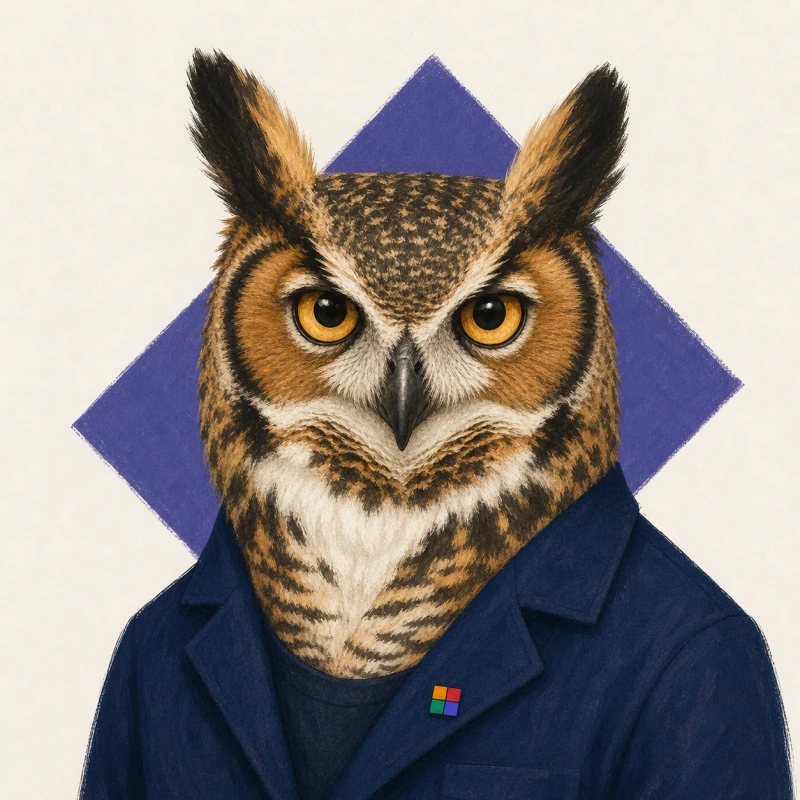 Illustrated portrait
PhD researcher
Neural predistortion and receiver equalization for optical communications.
Meet Nick Illustrated portrait
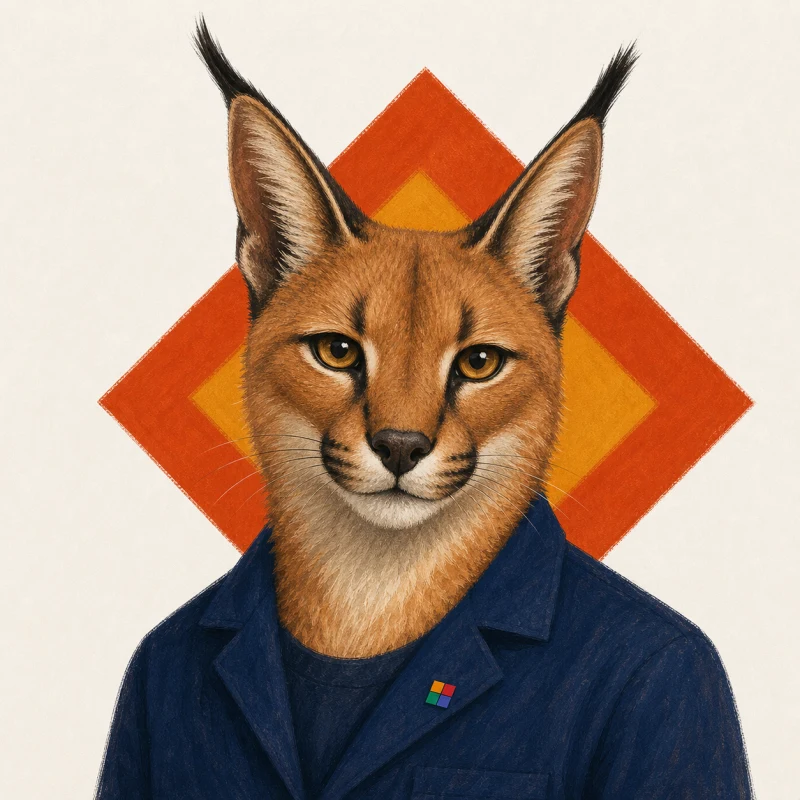 Illustrated portrait
MASc researcher
Linearized active inductors for predistortion in broadband interfaces.
Meet Ibrahim Illustrated portrait
Incoming MASc · Fall 2026
High-speed analog-to-digital conversion with an intended time-interleaved SAR focus.
Meet Kevin Illustrated portrait
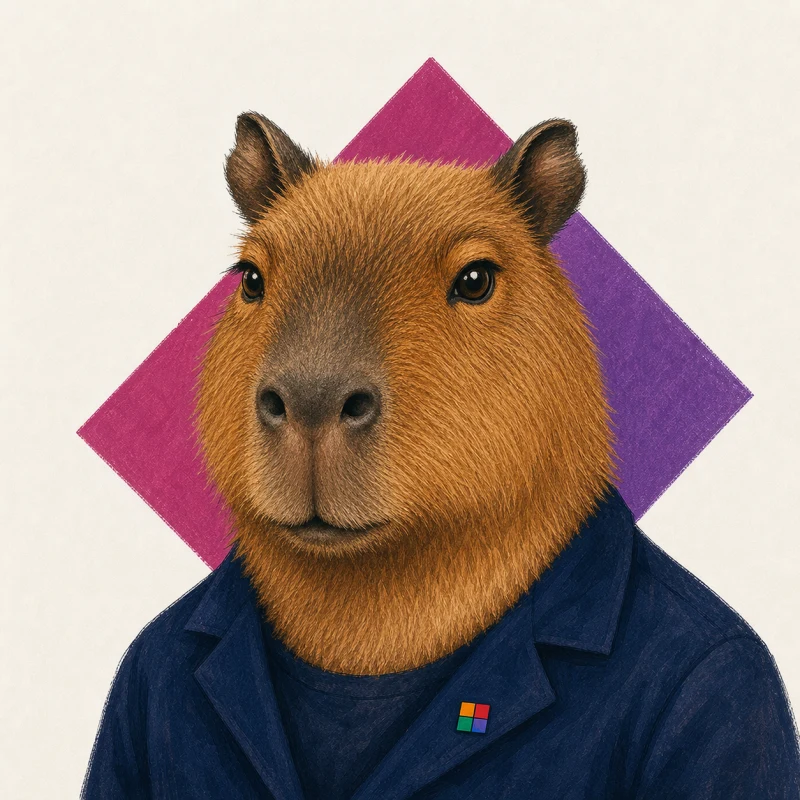 Illustrated portrait
MASc researcher
Time-to-digital converters and precise mixed-signal timing.
Meet Morgan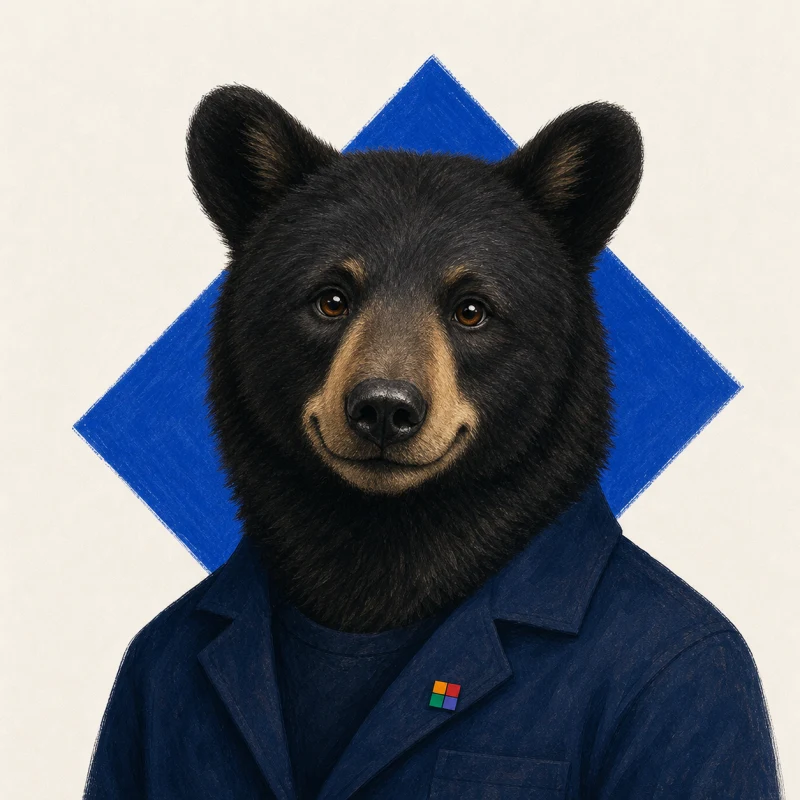 Illustrated portrait
PhD researcher
High-performance FPGA accelerators for artificial intelligence.
Meet Jonathan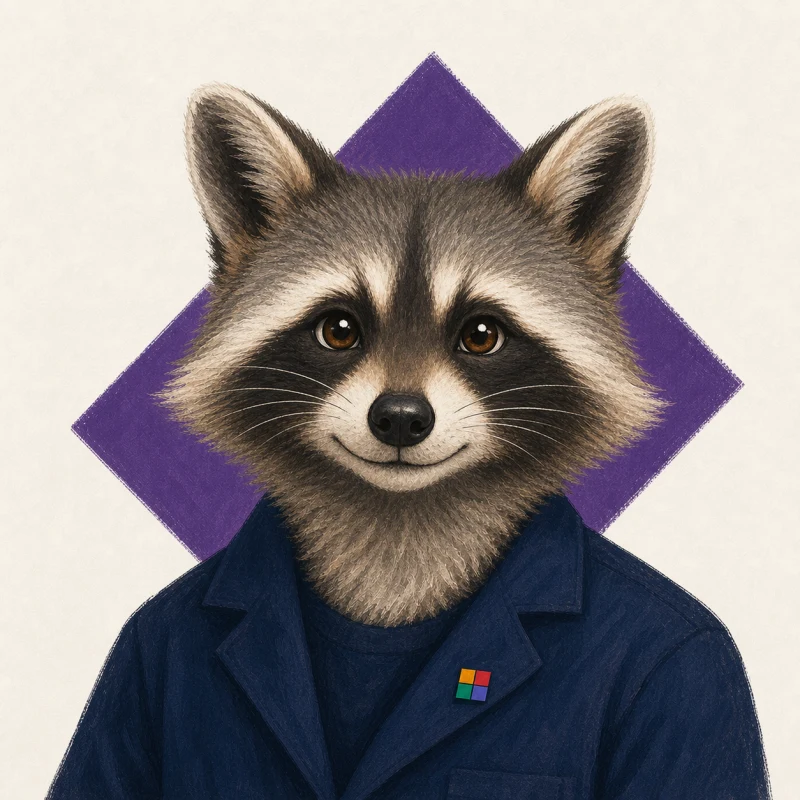 Illustrated portrait
MASc researcher
FPGA spiking neural networks for event-based vision and Hough transforms.
Meet Aaron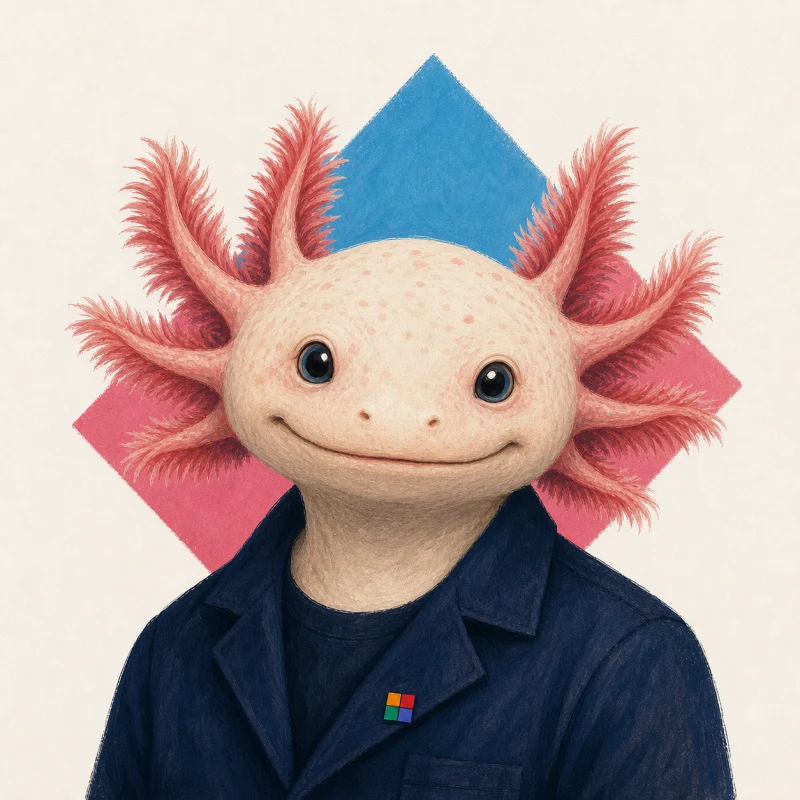 Illustrated portrait
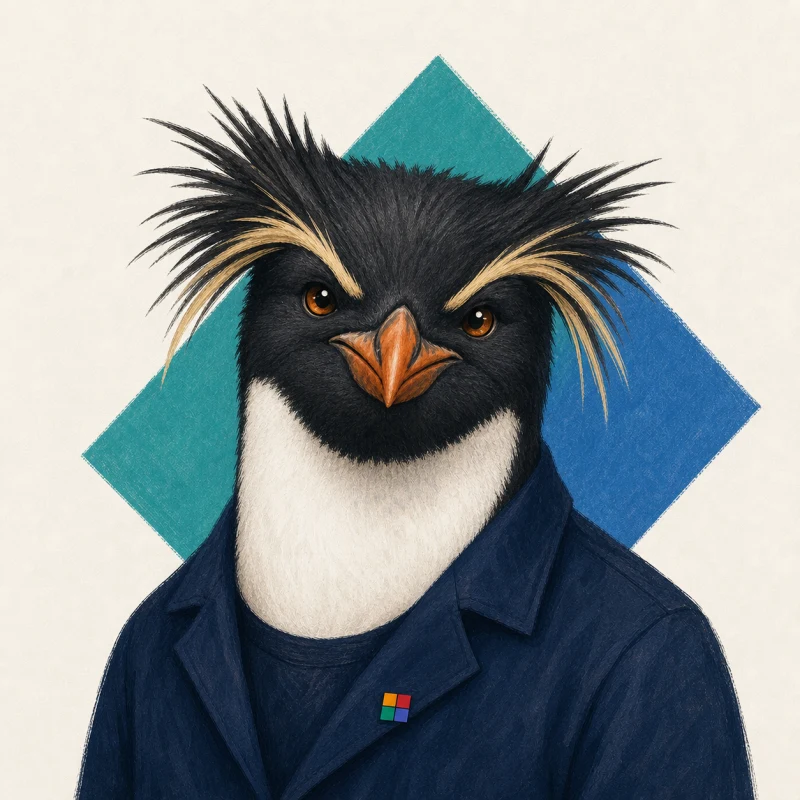 Illustrated portrait
MASc researcher
Language and sequence models for interpreting IMU time-series and human motion.
Meet Liam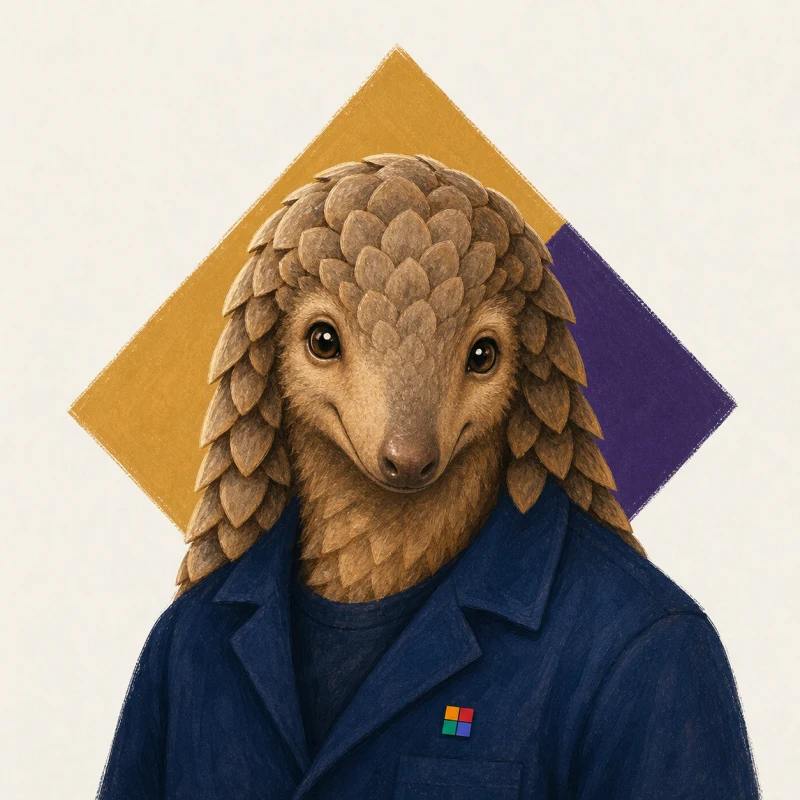 Illustrated portrait
News
22 July 2026
The group adopts a new identity for Microelectronics, Optoelectronics, Sensing, and Adaptive Intelligent Circuits—distinct disciplines assembled into one physical-to-intelligent hardware stack.
14 July 2026
The work follows a fixed-model GELU bank through bit-exact verification, activity-backed mapping, and matched routed implementation.
2026
Aaron Yu, Leonard MacEachern, and Arash Ahmadi report an FPGA-oriented spiking neural architecture for Hough-transform line detection in IEEE TETCI.
Research output
Aaron Yu, Leonard MacEachern, and Arash Ahmadi
A. Yu, A. Ahmadi, and L. MacEachern
Jonathan Levine and Leonard MacEachern
Prospective graduate students interested in microelectronics, optoelectronics, sensing, data conversion, or intelligent hardware may contact Leonard MacEachern through his academic profile.